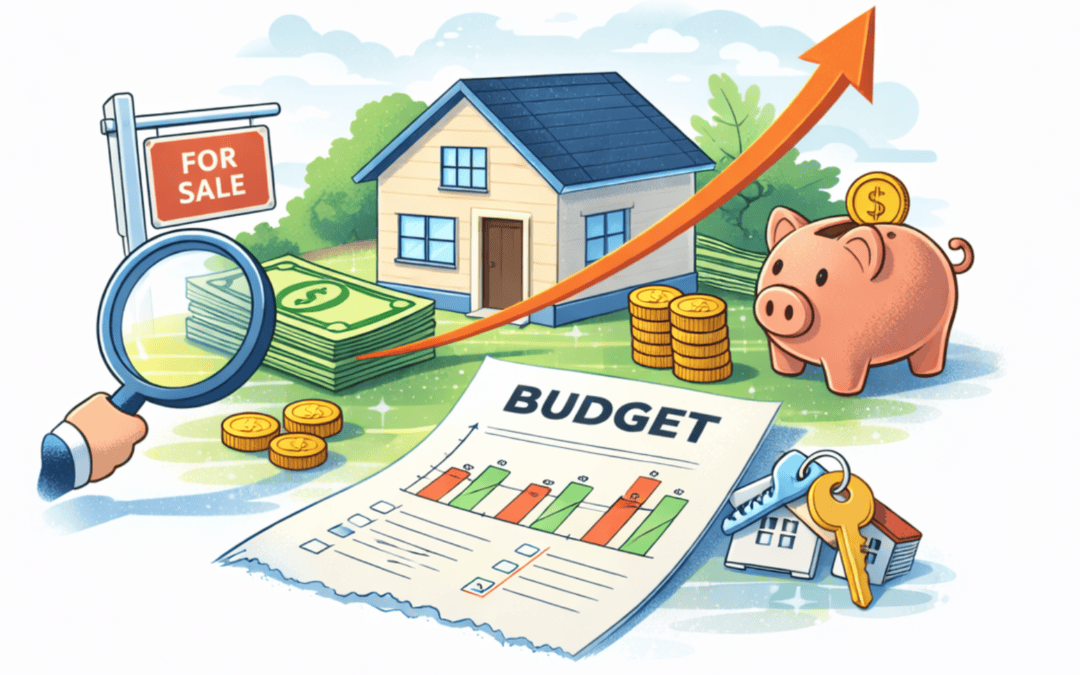
How to Start Investing in Real Estate on a Budget
The Short Version: You don’t need $100K (or even $50K) to start investing in real estate. There are legitimate paths in with $10K or less. The traditional “buy a rental property” model isn’t your only option and for most busy professionals,...
5 Niche Real Estate Investment Strategies Outperforming the Market
At a Glance: Invest in Recession-Resilient and Inflation Proof Assets – Focus on real assets like real estate, commodities, and affordable housing projects that hold or increase value even during downturns. These provide stability when markets are volatile....
Everything You Wanted to Know About SparkRental’s Real Estate Co-Investing Club
The Big Picture On Spark Rental’s Real Estate Co-Investing Club: Spark Rental’s Real Estate Co-Investing Club is a passive real estate investment club that presents vetted deals to members, targeting 15%+ annualized returns. The club isn’t a sponsor or...
What Is a Real Estate Syndication and How Does It Works?
The Big Picture On Investing in Real Estate Syndications Real estate syndications are passive investments in which you buy fractional ownership in an apartment complex or other large property (or properties in a fund). As a financial investor, you don’t have to do any...
Free Property Depreciation Calculator | How Is Rental Property Depreciation Calculated?
The Big Picture On Calculating Rental Property Depreciation: Rental property depreciation is calculated based on the building’s cost basis (purchase price minus land value), divided over 27.5 years. This allows property owners to deduct a portion of the...Looking for Landlord Loans?

Buy Fractional Real Estate with an Investment Club

Every month our Co-Investing Club gets together to vet a passive real estate deal. Our target: 10-12% returns on debt investments, 15%+ returns on equity investments.
Join our next Club meeting and invest alongside us!
Press: We’re Everywhere

$100-250K in Unsecured Credit Lines
Open rotating credit lines as a real estate investor! Get a quote or see how it works:

Pursue Financial Independence with Us

Denise Supplee is a landlord, property manager, and passive investor in real estate syndications. She's also a champion mom, grandmom and licensed Realtor.

G. Brian Davis is a real estate investor and writer who, along with his wife and daughter, spends most of the year overseas. He loves hiking, travel, exotic wine, and cooking, although not necessarily in that order.
Our goal in building SparkRental? To help other middle-class investors build passive income from real estate, so they can spend more time with the people and passions they love.