The Short Version:
-
- The ultra-wealthy aren’t just a richer version of the upper-middle class. Their budgets are structurally different.
- Housing often makes up just 10-20% of their spending… even when the home costs $10 million. Their income is so high that a $65,000 monthly payment barely dents it.
- Lifestyle spending includes things most people never think about: private security, household staff, concierge services, yachts, jets. These aren’t splurges. They’re infrastructure.
- Disciplined wealthy families still allocate 50% or more to saving and investing. That’s the real engine behind lasting wealth.

The difference between middle class and upper middle class is mostly just scale. Bigger house, nicer car, fancier vacations. But the budget categories look pretty much the same.
The ultra-wealthy are a different story entirely.
Their spending doesn’t just have more zeros… it has completely different line items. Things most people never think about, like private security, household staff, and “risk management” as a budget category.
A 2025 study by PropertyShark listed the ten wealthiest ZIP codes in the country. Topping the list was Fisher Island (33109), a private island just off the coast of Miami. I got curious about what a typical spending profile actually looks like for someone living there.
Turns out, there’s nothing “typical” about it.
Housing: Surprisingly Low as a Percentage
The median home on Fisher Island costs $9.5 million. Even with a million-dollar down payment, you’re looking at a monthly payment around $65,000 once you factor in property taxes and insurance.
That sounds astronomical. And it is. But here’s the surprising part: housing often makes up just 10% to 20% of the ultra-wealthy’s budget.
For most Americans, housing eats up 30% to 40% of income. The rich spend less proportionally on housing… not because their homes are cheap, but because their income is so high that even a $65,000 monthly payment barely dents it.
It’s a reminder that percentages matter more than dollar amounts when you’re thinking about financial health. Someone spending 15% of their income on a $10 million home is in a better position than someone spending 45% on a $300,000 condo.
Taxes: The Unavoidable 30%
Nobody escapes taxes entirely. Not even the ultra-wealthy.
At the highest income levels, taxes can consume around 30% of income. That includes federal and state income taxes, self-employment taxes, corporate taxes, capital gains taxes, dividend taxes, and sales tax on expensive purchases.
Yes, the wealthy have access to tax strategies most people don’t. Depreciation on real estate, opportunity zones, charitable trusts, strategic timing of capital gains. But even with all those tools, they’re still writing enormous checks to the IRS.
The difference is they plan for it. Taxes aren’t a surprise at the end of the year. They’re a line item that gets managed year-round with teams of accountants and advisors.
Lifestyle: Where Things Get Interesting
This is where the ultra-wealthy budget starts looking completely foreign.
“Lifestyle spending” for most people means restaurants, entertainment, maybe a gym membership. For Fisher Island residents, it means private security, dedicated household staff, concierge services, exclusive club memberships, yachts, private jets, and premium wellness services.
These aren’t splurges. They’re infrastructure. The wealthy build systems around their lives to maximize time and minimize friction. A full-time house manager, a personal chef, a driver… these aren’t luxuries in their world. They’re utilities.
Lifestyle spending can account for 20% to 50% of an ultra-wealthy household’s budget. That’s a huge range, and it depends entirely on how they choose to live. Some are flashy. Others are surprisingly understated. But even the “modest” ones are spending more on lifestyle infrastructure than most people earn in a year.
Insurance and Risk Management: Protecting the Downside
Here’s a budget category that barely exists for most households but becomes significant at the top: risk management.
When you have a lot, you have a lot to lose. The ultra-wealthy spend serious time and money protecting what they’ve built.
It starts with insurance… not just home and auto, but umbrella policies, art and collectibles coverage, kidnapping and ransom insurance (yes, that’s a thing), and specialized liability coverage for household staff.
But it goes beyond insurance. Wealthy families obsess over liquidity and cash flow visibility. They want to know, at any moment, exactly how much liquid cash they have, what’s coming in, and what’s going out over the next six to 24 months. They’re not budgeting to cut costs. They’re budgeting to maintain control and predictability.
Insurance and financial planning typically make up 1% to 5% of a high-net-worth budget. That might sound small, but 1% of a $10 million annual income is still $100,000 spent just on protecting the rest.
(article continues below)
Real estate investments? Awesome.
Being a landlord? Less fun.
Learn how to earn 15%+ on passive real estate investments in our free video course.

Savings and Investments: The Real Wealth Engine
Despite the lifestyle spending, the ultra-wealthy don’t spend everything they make. Far from it.
Disciplined wealthy families allocate 50% or more of their income to saving and investing. Real estate, venture capital, private equity, diversified portfolios… they’re constantly deploying capital into assets that grow.
This is the part that separates the wealthy from the high-income. High income means you make a lot. Wealthy means you keep and grow a lot. The ultra-wealthy got there by consistently converting income into assets, and they don’t stop once they’ve “made it.”
Philanthropy also plays a role, often accounting for 1% to 10% of their budget. Partly for tax efficiency, partly for legacy, partly because when you have more than you could ever spend, giving becomes part of how you engage with the world.
(article continues below)
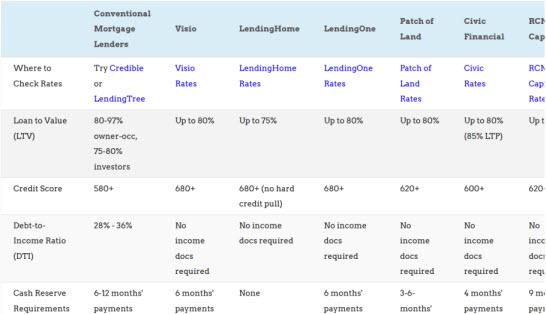 What short-term fix-and-flip loan options are available nowadays?
How about long-term rental property loans?
We compare several buy-and-rehab lenders and several long-term landlord loans on LTV, interest rates, closing costs, income requirements and more.
What This Actually Tells Us
The ultra-wealthy aren’t just a richer version of the upper-middle class. Their budgets are structurally different.
They spend proportionally less on housing, even while living in $10 million homes. They spend more on lifestyle infrastructure that buys back time and reduces friction. They treat risk management as a core budget category, not an afterthought. And they funnel a massive percentage of their income into investments that continue compounding.
Most of us will never live on Fisher Island. But there are patterns here worth noticing.
The emphasis on converting income to assets. The focus on protection and predictability. The willingness to spend on things that save time. These aren’t exclusive to the ultra-wealthy… they’re just more visible at that scale.
The real takeaway might be simpler than any specific tactic: the rich think about money differently. They optimize for control, growth, and time… not just for spending less.
That mindset shift is available to anyone, regardless of income. The dollars are different but the principles don’t have to be.
About the Author

G. Brian Davis is a real estate investor and cofounder of SparkRental who spends 10 months of the year in South America. His mission: to help 5,000 people reach financial independence with passive income from real estate. If you want to be one of them, join Brian and Deni for a free class on How to Earn 15-25% on Fractional Real Estate Investments.
Connect with us on social!