In this episode: Brian Davis and Deni Supplee of the SparkRental Co-Investing Club walk through eight types of passive real estate investments they’ve made with their own money: private notes, real estate funds, joint venture partnerships, industrial seller-leasebacks, multifamily syndications, mobile home parks, vacation rentals and boutique hotels, and fractional interests in oil and gas wells.
Episode Summary
Plenty of investors have grown skeptical of “passive income” pitches. In this episode, Brian and Deni skip the hype and talk through real investments they’ve made over the last few years, explaining how each one works, where the income comes from, and what can go wrong.
They start with a point that frames everything else: rental properties you own and manage are a business, not passive income. True passive investments mean someone else does the operating while you contribute capital.
Key Takeaways
- Owning rentals is a business. The rental income is semi-passive at best.
- Private notes secured by a first lien at a low loan-to-value ratio can produce fixed income with real collateral behind it.
- Investing as a group gives individual investors negotiating power, such as a minimum “floor” return in a joint venture.
- Industrial seller-leaseback deals rely on long-term triple-net leases where the tenant pays taxes, insurance and maintenance.
- Mobile home parks are one of the few property types where supply shrinks over time, which supports demand.
- Every investment carries risk. Not every deal performs, which is why spreading small amounts across many deals matters.
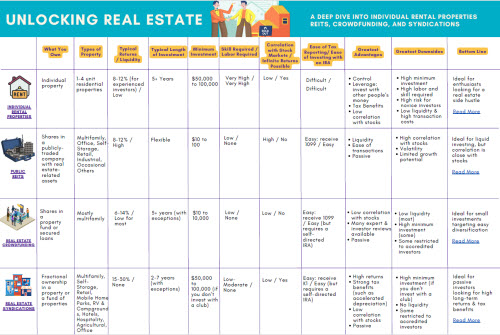
- Publicly traded REITs are easy to buy, but they move closely with the stock market and add little diversification.
Episode Chapters
- 0:00 – Debunking passive income myths
- 2:52 – Private notes and real estate funds
- 6:00 – Joint ventures and silent partnerships
- 9:10 – Industrial seller-leaseback deals
- 11:58 – Multifamily syndications and mobile home parks
- 14:53 – Vacation rentals and boutique hotels
- 17:49 – Fractional ownership in oil and gas wells
- 20:57 – Why diversification matters
The 8 Passive Real Estate Investments Covered
1. Private Notes
You lend money to a real estate investor at a fixed interest rate, secured by real property. In the example discussed, the club took a first-lien position against the borrower’s home at a low loan-to-value ratio, so the collateral was worth far more than the loan.
2. Real Estate Funds
Instead of a fixed-rate loan, the operator raises capital in a fund and pays investors distributions from the business’s profits, often quarterly.
3. Joint Venture Partnerships
A negotiated partnership with an operator, such as a house flipper. Because the group invested a large combined amount, it could negotiate a minimum return that protected investors even when one flip lost money.
4. Silent Partnerships with Builders
Partnering with a home builder on a set of short-timeline construction projects, where investors share in profits once homes are built and sold.
5. Industrial Seller-Leasebacks
An industrial company sells the property it operates from and leases it back on a long-term triple-net lease, raising capital without taking on debt. Investors in the property collect rent while the tenant covers operating costs.
6. Multifamily Syndications
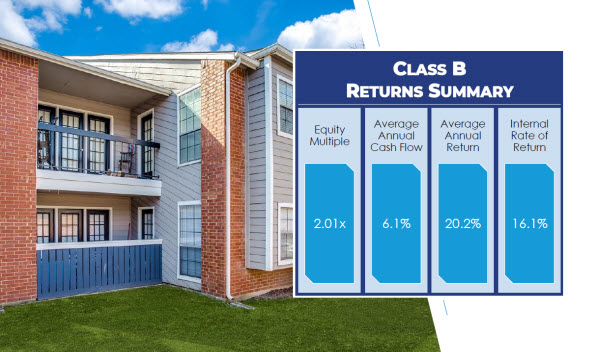
The “bread and butter” of syndications: investors buy into an apartment property as limited partners. Brian describes a value-add model where the operator renovates units over time, then refinances to return investor capital while investors keep their ownership stake.
7. Mobile Home Parks and Vacation Properties
Well-managed parks benefit from shrinking supply and tenants who own their homes, which makes defaults costly for residents. Vacation rentals and boutique hotels can grow income through better operations, such as adding events.
8. Oil and Gas Wells
A direct working interest in wells pays a share of production over the wells’ lifespan, which declines over time. There’s typically no sale at the end, so investors focus on how long it takes to recoup their capital.
Why Not Just Buy REITs?
REITs are liquid and easy to buy, and their historical yields are solid. The problem is correlation: they tend to move with the broader stock market, which defeats much of the purpose of diversifying into real estate. Private investments don’t move in lockstep with stocks the same way.
Want to go deeper? Read the complete guide to passive real estate investing or learn how to vet a real estate syndication.
Frequently Asked Questions
What are the best passive real estate investments?
Common options include private notes, real estate funds, joint venture partnerships, syndications for multifamily, industrial and mobile home park properties, vacation rental and hotel deals, and REITs. The right mix depends on your goals, time horizon and risk tolerance.
Is rental property income passive?
Not really. Owning and managing rentals is a business that requires ongoing time and decisions. True passive investments are managed by an operator while you contribute capital.
Why aren’t REITs a good diversifier?
Publicly traded REITs are closely correlated with the stock market, so they tend to rise and fall with stocks. Private real estate investments generally don’t move in lockstep with the market.
How much does it cost to invest in passive real estate deals?
Most private deals require $50,000 to $100,000. Investment clubs that pool money let members invest smaller amounts, often $2,500 or more per deal.
Invest Passively Alongside Other Investors
In the SparkRental Co-Investing Club, members vet passive real estate deals together on live calls and can go in on deals with as little as $2,500 to $5,000. Membership is free to start.
This content is for educational purposes only and is not investment, tax or legal advice. All investments carry risk, including loss of principal. Past performance does not guarantee future results.