The short answer: OPM (other people’s money) in real estate means using borrowed or partner capital to buy property instead of only your own cash. The main sources are mortgage lenders, sellers who finance the sale, private lenders, equity partners and passive investors. OPM magnifies returns and risk at the same time.
- Nearly every real estate deal uses OPM in some form, starting with the mortgage.
- Active investors take on personal guarantees and liability to use OPM.
- Passive investors in syndications benefit from the deal’s leverage without signing for the loan personally.
Banks don’t lend out their own money. They take deposits, lend them at a higher rate and keep the spread. Real estate investors have been borrowing that playbook for a long time. Using other people’s money lets you control more property with less of your own cash, and in some cases earn money with none of your own in the deal.
Our in-depth guide to OPM real estate investing covers how to raise money from others as an active investor. This article lays out the six main OPM strategies side by side, including the one most people overlook: being on the other side of the table as a passive investor.
1. Conventional and Portfolio Mortgages
The most common form of OPM. A lender covers 75% to 80% of the purchase price and you bring the rest. If the property appreciates, you keep the gains on the full value, not just your down payment. The catch: you sign a personal guarantee, so if the deal goes bad, the lender can come after your other assets. More on how leverage works in real estate.
2. Seller Financing
Instead of a bank, the seller acts as the lender and you pay them over time. Terms are negotiable, which can mean a lower down payment, flexible credit requirements or interest-only periods. It takes more negotiation and works best with sellers who own the property free and clear.
3. Private Lenders
Friends, family, colleagues or other investors can lend you money directly, usually secured by the property. Rates are higher than bank loans, but approval is faster and more flexible. Treat private lenders professionally: put everything in writing, secure the loan with a lien and be clear about the risks.
4. Debt Arbitrage
Debt arbitrage means borrowing at one rate and lending at a higher one, keeping the spread just like a bank. A common real estate version: an investor buys land at a deep discount with money borrowed at, say, 9%, then sells it with seller financing at 12% to a buyer who puts money down. The investor keeps the down payment and the monthly spread, and once the original loan is paid off, the buyer’s full payment.
The risk is buyer default while you still owe your own lender. Buying at a large discount provides the cushion. Hear one land investor walk through a real example in Debt Arbitrage: Earn Interest on Other People’s Money.
5. Equity Partners and Joint Ventures
Instead of borrowing, you bring in partners who contribute cash in exchange for a share of ownership and profits. Many investors pair a “money partner” with an “operating partner” who finds and manages deals. The split is negotiated case by case.
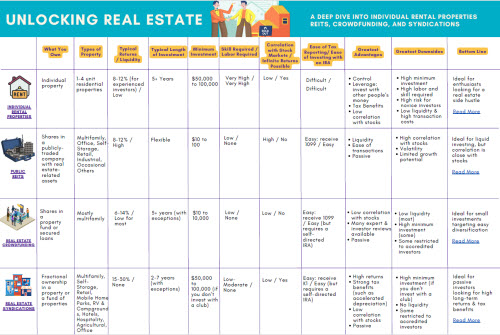
6. The Passive Side of OPM: Investing as the “Other People”
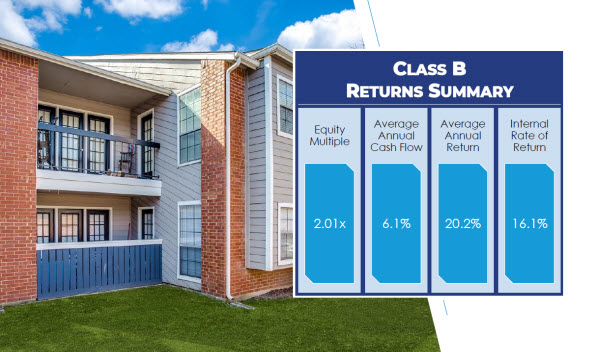
Every syndication is an OPM deal. The sponsor uses bank debt for most of the purchase price and raises the rest of the equity from passive investors. If you invest as a limited partner, you are the other people’s money.
That position has some real advantages:
- Leverage without the personal guarantee: The deal uses debt to amplify returns, but the sponsor signs for the loan. Your exposure is generally limited to what you invested.
- No landlord liability: Tenant lawsuits target the property owner and operator, not passive investors.
- Access to bigger deals: Apartment complexes, mobile home parks and industrial properties that no individual could buy alone.
- Pooling lowers the bar further: Through an investment club, investors pool their money to meet a sponsor’s $50,000+ minimum with a few thousand dollars each.
The trade-off is control. You rely on the sponsor’s judgment, including how they structure the debt. That makes vetting essential. See How to Vet a Real Estate Syndication.
Invest Passively Alongside Other Investors
In the SparkRental Co-Investing Club, members vet passive real estate deals together on live calls and can go in on deals with as little as $2,500 to $5,000. Membership is free to start.
OPM Strategies Compared
| Strategy | Your role | Personal liability | Work required |
|---|---|---|---|
| Mortgage | Borrower/owner | Personal guarantee | High |
| Seller financing | Borrower/owner | Usually personal | High |
| Private lenders | Borrower/owner | Personal | High |
| Debt arbitrage | Borrower and lender | Personal | Medium to high |
| Equity partners | Operator | Shared, often personal on debt | High |
| Passive investing | Limited partner | Generally limited to your investment | Low after vetting |
The Risks of Using OPM
Leverage cuts both ways. The same debt that multiplies gains also multiplies losses. Most real estate deals that fail do so because the owner runs out of money (payments rise, rents fall) or runs out of time (a loan comes due in a bad market). Whether you’re borrowing or investing passively, look closely at interest rates, loan terms and reserves before committing. New to passive investing? Start with the complete guide to passive real estate investing.
Frequently Asked Questions
What does OPM mean in real estate?
OPM stands for other people’s money. It refers to using borrowed money or partner capital, such as mortgages, seller financing, private loans or investor equity, to buy real estate instead of only your own cash.
Is using OPM in real estate risky?
Yes. Leverage amplifies both gains and losses. If rents fall or rates rise, borrowed money still has to be repaid. Fixed-rate debt, longer loan terms and cash reserves help reduce the risk.
Can you invest in real estate with no money of your own?
Sometimes. Strategies like seller financing, private lending and debt arbitrage can let investors buy with little or none of their own cash, but they require skill, negotiation and personal liability.
How do passive investors benefit from OPM?
In a syndication, the sponsor uses bank debt and investor equity to buy the property. Passive investors benefit from that leverage without personally guaranteeing the loan, with their risk generally limited to the amount invested.
What is debt arbitrage in real estate?
Debt arbitrage is borrowing money at one interest rate and lending it at a higher rate, keeping the spread. In real estate, it often means buying property with borrowed money and selling it with seller financing at a higher rate.
Invest Passively Alongside Other Investors
In the SparkRental Co-Investing Club, members vet passive real estate deals together on live calls and can go in on deals with as little as $2,500 to $5,000. Membership is free to start.
This content is for educational purposes only and is not investment, tax or legal advice. All investments carry risk, including loss of principal. Past performance does not guarantee future results.