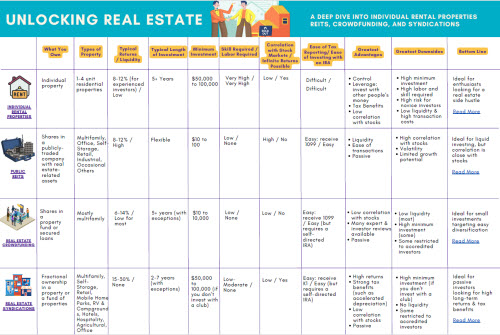
The short answer: In a syndication or group real estate deal, the passive investor supplies the “other people’s money” the sponsor uses. That means your best protection is judging how the sponsor uses debt, how they get paid and what happens when the plan goes wrong.
- Sponsors can do well on deals that are only average for investors, so check how incentives line up.
- Look at the debt: leverage, rate type, loan term and reserves.
- Passive investors usually risk only what they invest, and spreading money across deals helps.
Most real estate advice about “OPM,” or other people’s money, is written for the person borrowing it. Use the bank’s money. Raise money from partners. Buy bigger deals with less of your own cash.
But for every investor using OPM, someone else is supplying it. If you invest passively in a syndication, a fund or a group deal, that someone is you. You’re the OPM.
That shift in perspective changes which questions matter.
The Sponsor’s Upside Is Not the Same as Yours
When a sponsor raises money for a deal, leverage works in their favor in a way it doesn’t always work in yours. Sponsors usually earn fees at closing and during the hold, plus a share of profits. Investors put up most of the equity and get paid after expenses and debt service.
That isn’t sinister. Sponsors do the work of finding, financing and running the property, and good ones earn their share. But it means a sponsor can make money on a deal that turns out only average for investors. Your job as the OPM is to make sure the sponsor’s biggest payday comes from the deal doing well, not just from the deal getting done. Our guide to how syndications pay investors explains how fees, preferred returns and profit splits fit together.
Five Questions to Ask When You’re the OPM
1. How much of their own money is in the deal?
A sponsor with meaningful capital alongside yours feels losses the way you do. Ask for the actual dollar amount, not just “we invest alongside our investors.”
2. What does the debt look like?
The bank is OPM too, and the bank gets paid before you. Ask about the loan-to-value ratio, whether the rate is fixed or floating, whether there’s a rate cap, and when the loan comes due compared with the planned hold.
3. What happens if things go wrong?
Ask how much cash is held in reserve and whether the operating agreement allows capital calls. A deal that can only survive if everything goes to plan is using your money as a cushion.
4. What’s their track record on deals that are already finished?
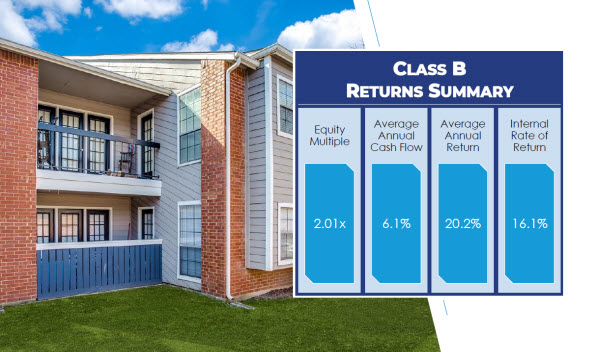
Projections are easy. Ask for results on full-cycle deals, including any that underperformed and what the sponsor did about it.
5. How will they communicate with you?
You’ll have no vote on day-to-day decisions. Regular, specific updates, especially when news is bad, are how you know your money is being handled well.
For the full checklist, see how to vet a real estate syndication.
Invest Passively Alongside Other Investors
In the SparkRental Co-Investing Club, members vet passive real estate deals together on live calls and can go in on deals with as little as $2,500 to $5,000. Membership is free to start.
Why Being the OPM Can Still Be a Great Position
None of this means passive investors are at a disadvantage. Being the OPM has real benefits:
- Your downside is generally limited to what you invest. Limited partners usually don’t sign personal guarantees on the loan.
- You don’t do the work. No tenants, contractors or lender negotiations.
- You can spread your money out. Smaller amounts across several deals and sponsors reduce the damage any one deal can do.
- You still get tax benefits. Depreciation usually passes through to investors. See passive real estate investing taxes.
The trade is simple: you give up control in exchange for time and simplicity. That’s a good trade only if you’re careful about who you hand control to.
The Bottom Line
OPM is a powerful tool, and it’s worth understanding from both sides of the table. If you’re the one supplying the money, think like a lender and a partner at once: look hard at the debt, the sponsor’s incentives and the plan for when things don’t go to plan.
For more on how investors pool money, read OPM investing explained and OPM real estate.
Frequently Asked Questions
What does it mean to be the OPM in real estate?
When you invest passively in a syndication or fund, the sponsor uses your money, along with a bank loan, to buy and run the property. From the sponsor’s side, you are “other people’s money.”
What should passive investors ask a sponsor?
Ask how much of their own money is in the deal, what the debt terms are, how much cash is held in reserve, how past full-cycle deals performed and how often they report to investors.
Can passive investors lose more than they invest?
In most syndications, limited partners do not sign personal guarantees, so losses are generally limited to the amount invested. Read the operating agreement, especially any capital call provisions.
Invest Passively Alongside Other Investors
In the SparkRental Co-Investing Club, members vet passive real estate deals together on live calls and can go in on deals with as little as $2,500 to $5,000. Membership is free to start.
This content is for educational purposes only and is not investment, tax or legal advice. All investments carry risk, including loss of principal. Past performance does not guarantee future results.