The Short Version:
-
- Bitcoin lost 50% while one land fund paid 16%—for the 12th quarter straight.
- “Digital gold” crashed when chaos hit. Actual gold rallied to $6,000/oz.
- $100K in Bitcoin became $50K. In real estate? $16K/year in cash, every quarter.
- The wealthy stack 16% distributions while you chase crypto moonshots at 3am.
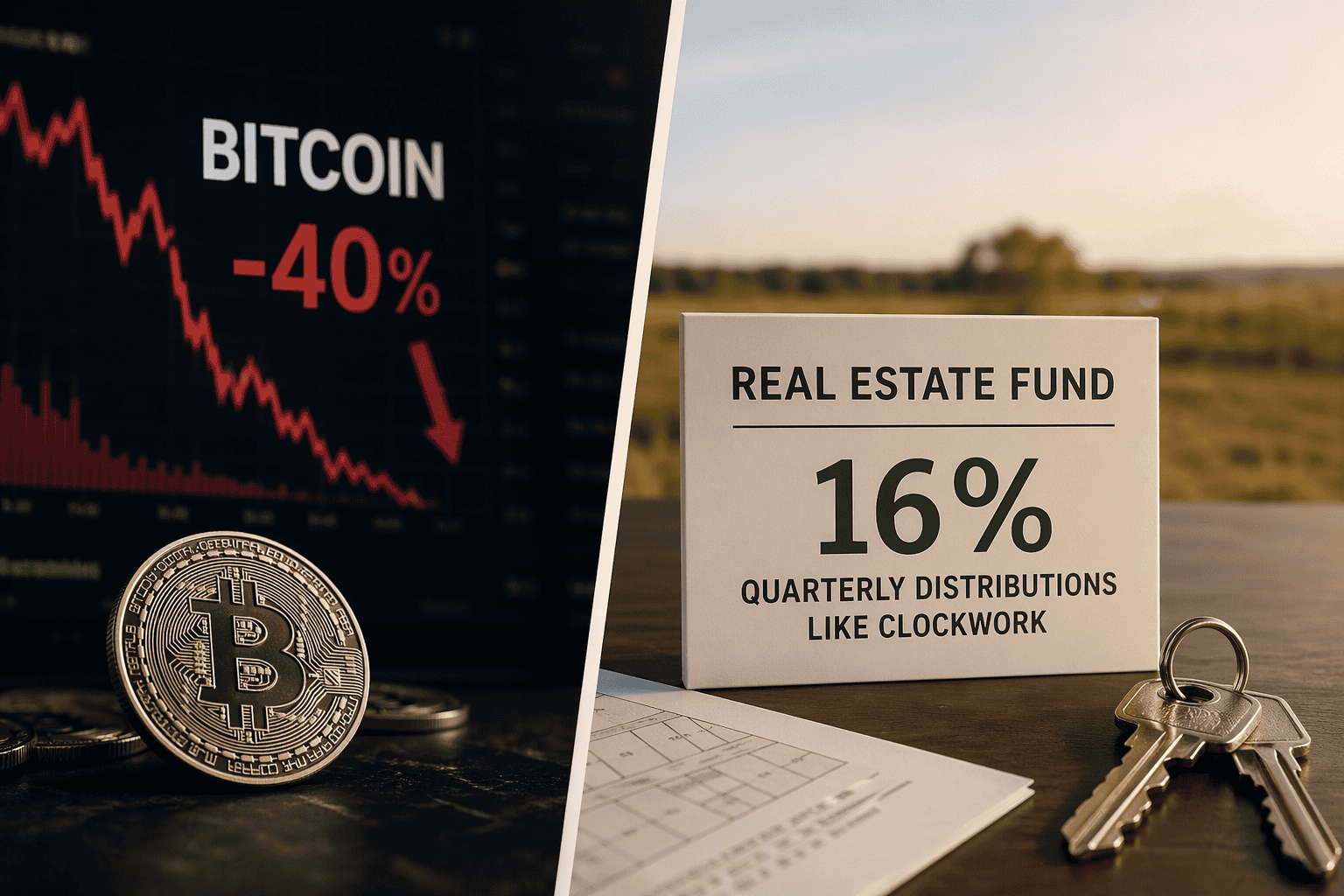
Bitcoin dropped from $126,000 to under $63,000 in four months.
That’s a 50% loss. Half your money. Gone.
And the strange part? This crash happened during everything crypto bulls said would make Bitcoin soar. A crypto-friendly president. Relaxed SEC oversight. Institutional adoption through ETFs. All the tailwinds were there.
Bitcoin crashed anyway.
Meanwhile, a land flipping fund we invested in three years ago just paid its 12th consecutive quarterly distribution. Same 16% annual yield. No drama. No volatility. Just four payments a year that show up whether the market’s panicking or not.
The contrast isn’t just about returns. It’s about what happens to your decision-making when your wealth is built on speculation versus cash flow.
The “Digital Gold” Narrative Collapses
For years, crypto advocates insisted Bitcoin was digital gold… a safe haven for uncertain times.
2026 tested that theory.
President Trump threatened military action against Iran. Geopolitical tensions with Europe escalated. The Fed drama continued. Market volatility spiked across asset classes.
Exactly the conditions where safe havens should shine.
Gold responded predictably. It rallied toward $6,000 per ounce. Real estate held steady, with institutional capital quietly shifting into industrial properties and open-air retail.
Bitcoin? It got swept up in the risk-off selling. Down 20% year-to-date while uncertainty mounted.
Turns out “digital gold” acts more like a speculative tech stock than a store of value. When fear hits, investors don’t run to Bitcoin. They run from it.
The lesson isn’t that crypto is worthless. The lesson is that assets marketed on narrative rarely perform as advertised when conditions change.
What 16% Distributions Actually Mean
Let me explain how the land flipping fund works, because the structure matters.
The operator buys around 50 parcels per year. Typical purchase price: $25,000 to $250,000 each. Average hold time: 4.5 months. They’re not speculating on appreciation. They’re buying below market, cleaning up title issues or zoning problems, and flipping to end buyers.
The fund pays 16% in quarterly distributions. Not projected returns. Not hypothetical IRR. Actual cash distributions that have hit every quarter since inception.
No missed payments. No suspended distributions during market downturns. No emails explaining why this quarter will be different.
Compare that to Bitcoin’s volatility. In February 2026 alone, Bitcoin dropped 19% in a single week. One analyst noted it registered a -6.05 standard deviation move… one of the fastest single-day crashes in crypto history.
If you had $100,000 in Bitcoin at the November 2025 peak, you watched it drop to $50,000 by February. Then bounce to $74,000 by April. Then drop again.
That same $100,000 in the land fund? It generated $4,000 per quarter, regardless of what Bitcoin did. Sixteen thousand dollars per year in cash flow you can spend, reinvest or use to buy more assets.
Wealth isn’t built on price appreciation alone. It’s built on assets that pay you while you hold them.
(article continues below)
Real estate investments? Awesome.
Being a landlord? Less fun.
Learn how to earn 15%+ on passive real estate investments in our free video course.

Why Busy Professionals Need Predictability
Here’s what volatility actually costs you.
When Bitcoin dropped 40%, crypto investors faced a decision: sell and lock in losses, or hold and hope for recovery. That decision carries psychological weight. It demands attention. It creates anxiety.
You check the price. You read the news. You second-guess. You wonder if this is the crash that doesn’t recover… or the dip you’ll regret not buying.
That mental overhead is expensive for someone with a demanding career. You’re not a day trader. You don’t want to monitor positions. You want assets that work while you’re working.
Cash-flowing real estate investments solve this. The land fund doesn’t care what Bitcoin does. It doesn’t care about Fed policy or geopolitical tensions. The operators buy undervalued land, fix the problems, sell to buyers who want it. Rinse and repeat.
Your returns aren’t tied to market sentiment. They’re tied to operational execution.
This is why experienced investors prioritize income over appreciation. Appreciation is great when it happens. But you can’t pay bills with unrealized gains. You can’t reinvest paper profits. Cash flow is what actually compounds.
The six-figure professional who builds wealth isn’t the one chasing 10x returns in crypto. It’s the one stacking predictable 12-16% cash distributions across multiple real estate investments until passive income covers living expenses.
The Underlying Principle
Bitcoin’s 2026 crash exposes something deeper than crypto volatility.
It exposes the difference between speculation and investing.
Speculation is betting on price movement. You buy because you think someone will pay more later. Your returns depend entirely on market sentiment… on other people’s willingness to keep buying.
Investing is buying cash-producing assets. You profit from the asset’s operations, not from finding a greater fool.
Bitcoin produces no cash flow. No dividends. No rent. No distributions. Every dollar of return comes from price appreciation. That makes it inherently speculative, regardless of the narrative wrapped around it.
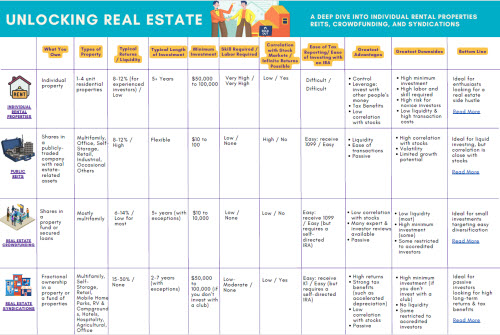
Real estate… when structured correctly… produces cash flow from day one. The land fund generates returns from flipping parcels. Syndications generate returns from rental income and eventual sale. Private notes generate returns from interest payments.
These returns exist independent of whether prices go up or down. The asset pays you for holding it.
That’s the distinction between building wealth and gambling on wealth.
(article continues below)
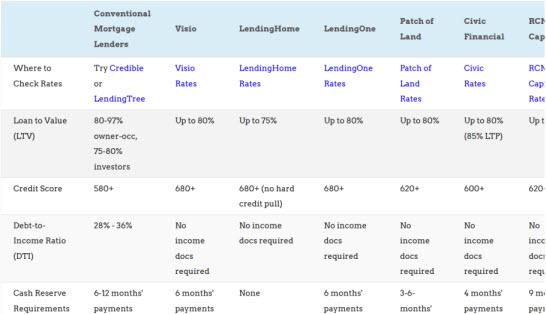 What short-term fix-and-flip loan options are available nowadays?
How about long-term rental property loans?
We compare several buy-and-rehab lenders and several long-term landlord loans on LTV, interest rates, closing costs, income requirements and more.
What This Means for Your Portfolio
I’m not suggesting you avoid crypto entirely. Small speculative positions are fine if you understand that’s what they are.
But if you’re a busy professional trying to build real wealth… wealth that eventually replaces your W-2 income… you need assets that pay you reliably.
The math is straightforward. If you invest $100,000 at 16% annual distributions, you receive $16,000 per year in cash flow. Do that across five similar investments and you’re generating $80,000 annually in passive income.
That income doesn’t disappear when markets crash. It doesn’t require you to time exits perfectly. It shows up whether Bitcoin is at $126,000 or $63,000.
This is how financial independence actually works. Not through 10x returns on speculative bets. Through stacking enough cash-flowing assets that you don’t need to worry about market volatility.
Real estate offers that path. Crypto doesn’t.
The operators we invest alongside flip land parcels. They develop workforce housing. They originate private notes secured by real property. They run these as businesses that generate actual profits.
Those profits get distributed to passive investors quarterly or monthly. The distributions are taxed favorably compared to W-2 income. And the investments often come with depreciation benefits that reduce your tax burden further.
You’re not betting on greater fools. You’re participating in businesses that create value and share profits with investors.
Bitcoin will probably recover. It always has. But recovery doesn’t change the fundamental nature of the asset.
It’s speculative. It’s volatile. And it requires constant attention to navigate the swings.
Meanwhile, the real estate investments we make keep paying distributions. The land fund will send another 16% this year. The syndications will keep sending monthly cash flow. The private notes will keep paying interest.
That’s not exciting. It won’t make headlines. You won’t get to tell friends about 10x returns.
But it works. Consistently. Predictably. Exactly how wealth-building is supposed to function.
About the Author

G. Brian Davis is a real estate investor and cofounder of SparkRental who spends 10 months of the year in South America. His mission: to help 5,000 people reach financial independence with passive income from real estate. If you want to be one of them, join Brian and Deni for a free class on How to Earn 15-25% on Fractional Real Estate Investments.
Connect with us on social!